Aim to Automate

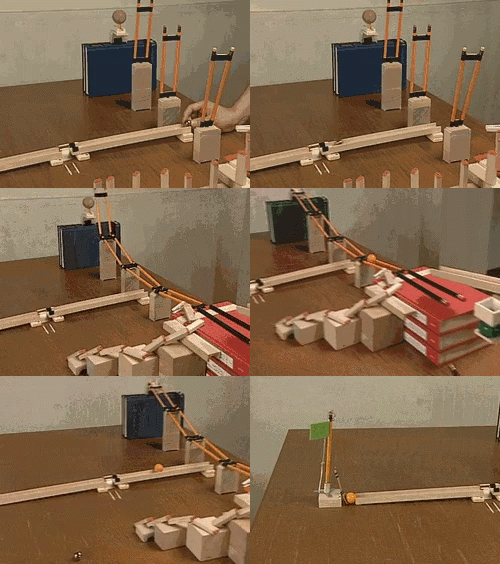
Interesting to watch, impractical for daily life.

Throughout the duration of this blog, I’ve found a consistent pattern, it’s significantly easier to remove something than to add it. There are always tasks we can’t or sometimes would rather not eliminate, and for those, I’m looking for a middle ground, automation. While the word brings to mind robots or computer code, I’m viewing the coming weeks from a simpler approach, systems to minimize or eliminate manual intervention.

Systems Over Tech

Automation isn’t all about technology, sometimes utilizing a system or process to minimize the action or thinking around a task. Habits can be thought of as systems for daily practice.

Developing habit chains can act as an automated process when the action becomes second nature. For example, I perform a quick stretch routine every morning while my first cup of coffee is brewed. This process takes no thought at all, and the trigger is something that I actively want, making the habit easier to stick to.

Even something as simple as a checklist can act as a tool for improving a process. A study introducing a surgery safety checklist showed positive results. With the checklist in place, surgery related death dropped from 1.5% to 0.8% and impatient complications dropped from 11% to 7%. I’m not medically educated enough to draw a conclusion beyond those numbers decreasing being a good thing.

The To Do List

I started this trial coming up with just about every manual task I perform from writing these posts to taking a shower. While I don’t plan to automate my hygiene through some Back to the Future-esque Rube Goldberg machine, it was a fun practice to really think about all the little things that add up over the day. It’s beneficial to find those small actions that over the course of days, months, and years can really add up. Once found, some of those tasks can be eliminated or automated, freeing up all that time forever onward.

Lately, email has been one of those tasks for me. There are a number of emails I basically delete every time they fall in my inbox. Others, I skim through and archive. Others still, I let sit in my inbox a little too long and may one day wipe the dust off and give them a gander.

Something I’m really looking forward to investigating is building systems for simplifying DnD preparation. For a few months now, I’ve whittled the process down using the “Lazy Dungeon Master” method, but there are still some things I’ll spend more time on than I really prefer. Sometimes coming up with random encounters or events can take serious brainstorming to keep them interesting, yet balanced. The game has a lot of systems for setting up randomness, but I’m not the biggest fan of many of them.

One of the last areas I’m looking at for this first week is automating my finances. I have most of my money troubles automated with direct deposit, autopay options, and scheduled transfers, but there are a few even simpler systems that I found will be incredibly helpful. Coming back to the idea that not every improvement needs to be a major tech advancement, the simple introduction of a calendar item would have saved me a couple minutes and some anxiety. When doing some shopping over the weekend, I was trying to remember which categories which credit card offered bonuses for and went through a couple apps to find them. Then, at the next store, I’d already forgotten and it was back to tapping through apps. Both instances were, of course, moments before I was to pay, and so I was flipping through trying to find the info as fast as possible.

These areas offer a simple and tangible place to start simplifying in my life.

Fun’s Not Hard With a Library Card

An environment designed to pass through as quickly as possible.

Going to the library has not only offered me a place for consistently getting work done, it’s also opened my eyes to some of the bigger issues of the last few months. Through a combination of complacency and laziness, I allowed the change in my environment to excuse a long term behavioral shift. With the turn of the new year, I looked back and came to terms with my bad habits and began to put them to rest. While going to the library was a simple practice, it set the stage for a number of good habits.

Environment Design

The underlying goal of this trial was to make a space for being productive. It’s easy to say that this was a success. I’m writing more consistently as well as progressing on other projects. Regular trips to the library built the foundation, but with several weeks of getting things done, I’m able to do all this even while not at the library. 

Environment doesn’t exist only as physical space, but can be influenced by all five senses. I’ve been enjoying a particular nighttime tea while reading or writing practically every night. The cup not only made the activity more enjoyable, I looked forward to engaging because delicious tea was in store.

Another alternative is music. I’ve found an artist recently that I really enjoy listening to while reading. While there is singing, it’s in Japanese so I don’t get pulled into the song. I often read just before bed, so the calm, melancholic tunes help get me primed for bed too.

All Part of the Plan

In most areas of life, having a plan beats not having one. Knowing what to accomplish and how has been huge for me not only at the library, but also week to week.

Making plans can easily become an excessive practice, but pinning down the major strokes has guided me to make better decisions. Focusing in on one major thing each week has helped to push me toward overall goals. I’ve long had this feature of my weekly reviews, but I feel like I’ve only just started really reaping the benefits of it. One week is as simple as getting the right amount of sleep, and it sets the pace for multiple weeks now.

Creating momentum with trips to the library has made working at home even more productive. Setting high but manageable expectations for myself each week helped create the mindset I need to work well regardless of where I am.

The Testament of Trials

Returning to using the framing of a trial for posts also pushed me to publish more consistently. Framing the possibilities to only the things I can relate to what I’m currently working on makes getting started and limiting to where I can actually get things finished.

Trials not only give me a direct subject to build on, but provide a general sense of motivation. As I’m performing the actions or even just reflecting on them, I have an excitement about what I’m experiencing and want to share that excitement.

Reestablishing a weekly deadline has probably been the most critical decision in writing. Doing so forced me to write more consistently, because I knew I needed something by the end of the week. Otherwise, I’d just have to publish the post in its current state, whether I’m happy with it or not.

With the year starting off with a solid foundation, it’s time for the next trial. Instead of focusing on things to do, I’m looking to see what manual tasks in my life can be minimized or completely automated through heuristics and technology. I haven’t completely settled on the areas to focus on, but I do have some ideas including a few things like email management and automating electronics.

Battling the Self

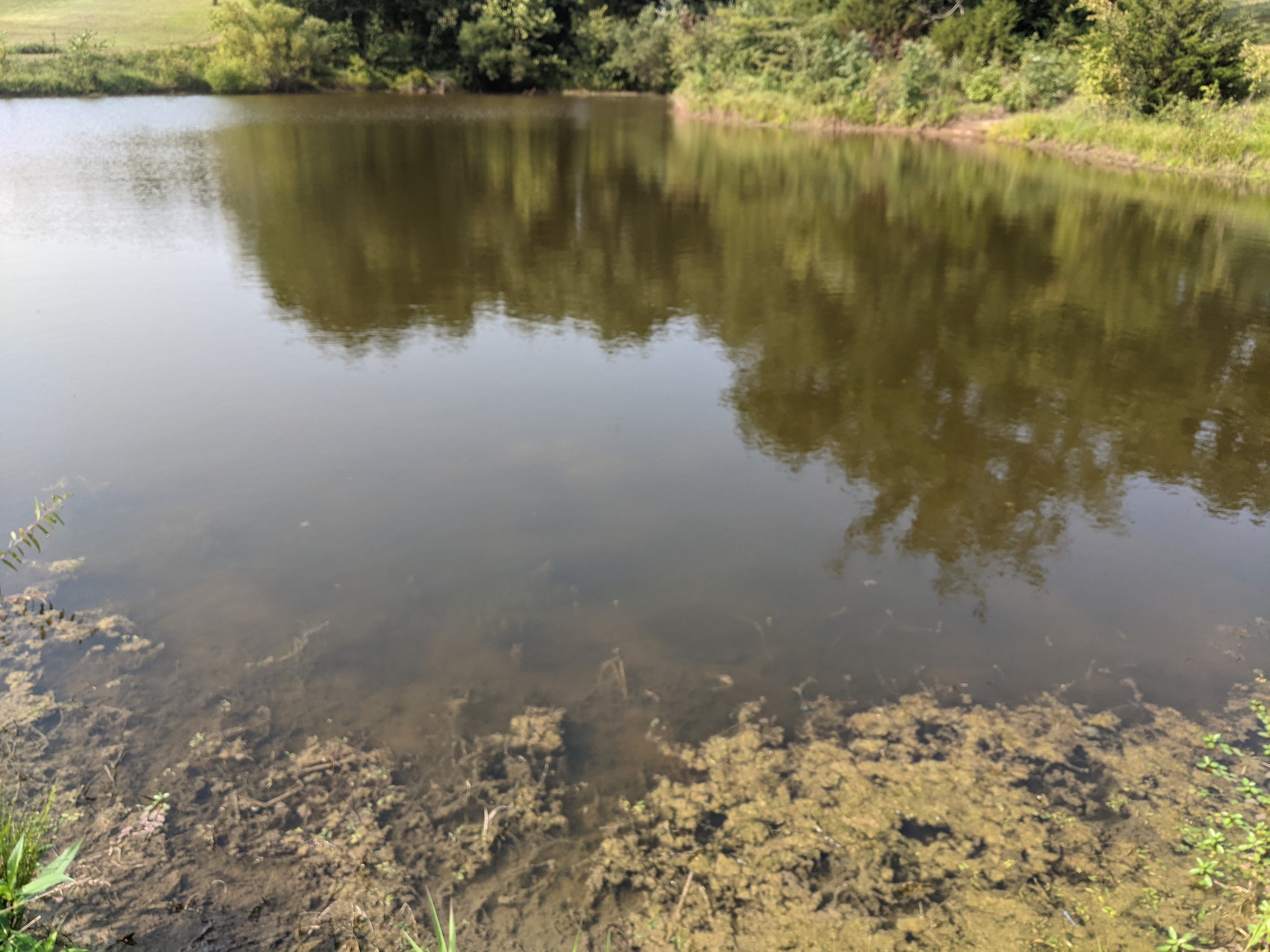
There’s an infinite number of ways to cross a pond, but all of them require that you start.

Being at the library challenges me to get work done even when I’d rather be doing anything else. At the time of writing, I’m dealing with a lot of distractive thoughts and problematic feelings, but sitting here at this library desk, I’ve been able to put that aside and get plenty accomplished.

Getting the Ball Rolling

I am an easily distracted person. Knowing this, I had to create these structures to get myself to be effective. Whether it be a space at home or elsewhere, I need somewhere that gives me the nudge to start working on something, regardless of how I feel or what else is pulling at my attention at the moment.

Once I start, I tend to dial in more and more. The flow state is frequently the goal, but not always required. At times, all that’s needed is 10-15 minutes of undistracted output to make substantial ground.

Getting started can be the hardest part without a plan. That’s why I find it so important to take the time to come up with a rough outline to get started at a given time. It can be easy to fall into a trap of looking for something to spark, but it’s possible that it won’t happen until you can really get into it.

Sometimes starting on anything at all is the best practice to simply get in the right mindset. I think of the Morning Pages from the book The Artist’s Way by Julia Cameron. The idea is that each morning you write three pages of pure freeflow thoughts onto the page. This practice, also called freewriting, clears the mind of distractive thoughts and allows you to build on that free flowing state of mind. The goal is to write now and edit later.

Another useful system that I’ve started employing more is the Pomodoro Technique. The idea is simple: start a timer and focus deeply during that duration, typically 25 minutes. After that time is up, a short break can be taken, usually about five minutes. The idea is to keep moving through these ebbs and flows of work and breaks until deep enough in the work that the break isn’t necessarily required, but always an option.

As with many systems I enjoy, this one is of course completely flexible for a given practice, person, or precise moment. Maybe a full 25 minutes is needed to get the momentum needed. Alternatively, there are times when a shift towards a productive mindset seems like a substantial task, but five minutes of reading, writing, or whatever task is needed at the time doesn’t seem too bad.

Work as a Distraction

Systems like the Pomodoro Technique are useful to simply take any circumstance we are in to push towards a more productive practice. Sometimes we just need a few minutes to put aside the things weighing us down and work on something else, however using work as a means of ignoring real problems can often do nothing but make a situation worse.

I think it’s critical to understand if the problem that’s being avoided is something that is within a reasonable sphere of control. There’s a big difference between doing the dishes for some relief in grieving over the death of someone close and staying at the office an extra hour to avoid coming home to a failing relationship. The latter is something that needs attention and is work in itself, while the former is an emotional burden that may only need time to process.

Some things just need work and attention themselves. Taking the time to sit down with these problems, be they alone or with someone else. Problems can range from material issues to emotional ones. The former can be a bit simpler to manage, but certainly not always easier. There’s usually a specific problem that can or cannot be addressed.

Emotional issues, however, can be far more complex. Therapy is of course an option, though it can be expensive even with services like Betterhelp that reduce the cost overall. Sometimes all that’s needed is to say them outloud to anyone who will listen. Other times, some action or advice can help, but often it’s getting the ideas out of our heads that helps reduce their effect. 

If a more personal approach is preferred, journaling or writing can help to give the thoughts a more concrete image. Freewriting about the current hangup can lead to uncovering problems that were buried beneath.

Either practice can be good for working through an issue. Depending on the severity and level of control we have, sometimes putting it aside for just a few hours on a given day may be all that’s needed. For myself, these trips to the library have helped me put aside the thoughts that had me down. A few weeks ago, I struggled to get myself off the floor, not to mention out the door. Even at the library, it was hard to get anything done, but after a few minutes of freewriting, I was able to accomplish a fair bit.

Working certainly didn’t resolve my issues, but I was able to put them aside and produce some results. The distraction was long enough to let the negative feelings pass by, and now I feel like I can move forward without them weighing me down.

A Return to Scheduled Programming

Looking back at an old friend.

The first few weeks of the year were a bit of a mess figuring out how I wanted to move forward. I spent a number of days basically writing out what I wanted to get done, largely coming up with the theme. With this in mind, I then came up with rough outlines for days and weeks. Giving myself more or less goals for what to get done at certain times of the day or on a given day of the week.

Weekly Work

With my current theme in mind, I wanted to develop a regular schedule to build momentum on with regular progress. Currently, my outlook is the first six months of the year, any farther and I’m not sure I’ll be able to confidently stick to the plan while still giving myself pressure to get those early items done. This time frame is long enough to make progress, while not being too long if it turns out the goals I have in mind aren’t the right ones for me now.

While six months is the long term perspective I’m taking, breaking those months down into weekly plans has been beneficial. The time frame of a week has worked really well for me for a long time. Starting with the weekly review process that I still uphold to this day, looking back and then forward for a week allows me to set structures to make the progress that I need and can handle for the short term.

Recently, I’ve spent some time building a structure for what I could consider an ideal week. I wrote out the tasks and activities I wanted to get done on a given day and with approximate  times I generally work on those items. For example, on Mondays I want to get to the climbing gym and then work on a game development project. This is of course after working my day job, yet the plan still offers time to relax. While not every Monday will play out perfectly, having a plan in mind should give me the nudge needed more often than not.

The ideas also rely on a standard day. Holidays, vacations, and special occasions can all toss these plans to the wind. Having plans for 95% of days is better than worrying about all the exceptions and caveats ahead of time. When those unique days arrive, I can deal with them then.

Library Time

To bring the subject to focus for this trial. Last week, I wrote up how I was looking to get my visits up throughout the week. The solution: actually plan it out!

The daily plans gave me that push I needed to get out the door and in the library to work before I was able to settle in for the night. Putting a library visit down for Saturday and then a flexible visit on either Wednesday or Thursday has improved my attendance. The flexible day has been a great option, as I can adjust plans as needed while still getting time at the library.

I’ve written in the past on very specific time tracking, but I think having more of a high level structure works better than minute to minute type management. Deciding I want to go to the library after work one day, and then climb and play video games the next is much easier to stomach than trying to map out an entire week in 15 minute increments.

Because planning is key, knowing what I actually want to get done at the library has also been critical. It might be as simple as writing some loose ideas and drafts for the blog or to transfer loose paper notes to a digital system. I tend to write a lot of planning notes for Dungeons and Dragons and then have a system for getting sessions planned in a single page.

The key project for the library is writing these posts. Each visit allows me to build on the blocks laid out during the last. Posts develop more and more as the week goes on. Once a post is finished, I outline the next one. This gives me a starting point for the next visit. Each time expanding the text, clarifying ideas, or editing out parts that don’t fit the larger thesis.